
Top Golf Iron Shafts: Choosing What’s Right for You

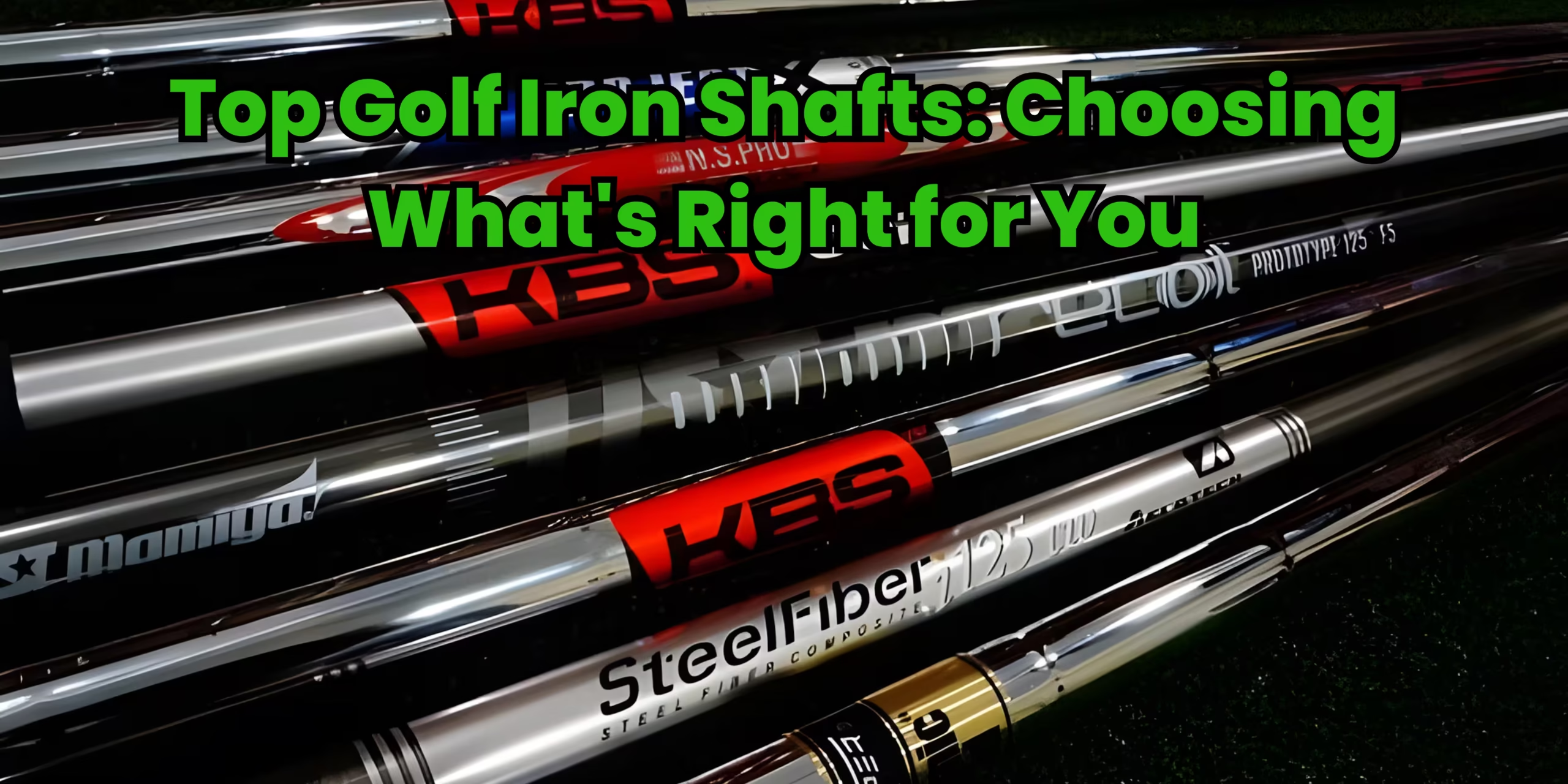
Choosing the right iron shafts can completely change how you play. Many golfers focus on clubheads, but the shaft is what controls feel, consistency, and ball flight. A well-matched shaft can help you hit straighter shots, improve distance, and make your swing feel more natural. If you’re thinking about upgrading your irons or trying to fix inconsistent performance, understanding shafts is the best place to start.
Importance of Shaft Selection
A shaft that doesn’t suit your swing can work against you. Maybe your shots balloon too high, fall too low, or drift off target. Often, the shaft is the reason.
The right shaft helps with:
- Better control
- Improved accuracy
- Consistent launch and spin
- A smoother feel at impact
When the shaft matches your swing speed and tempo, everything feels easier.
Overview of Shaft Types
Iron shafts generally come in two main materials:
Steel Shafts:
- Heavier
- Offer more stability and control
- Preferred by players who want a consistent, penetrating ball flight
Graphite Shafts:
- Lighter
- Help increase swing speed
- Great for beginners, seniors, and anyone who wants more distance with less effort
Some players even choose hybrid or composite designs, but steel and graphite are the most common.
Shaft Flexibility and Its Impact
Flex refers to how much the shaft bends during the swing. A shaft that is too stiff or too soft can make your shots unpredictable. Flex affects:
- Launch angle
- Ball flight height
- Tempo and timing
- Distance consistency
Matching your flex to your swing speed is one of the most important steps in shaft fitting.
Flex Ratings Explained
Most iron shafts fall under these flex categories:
- L (Ladies) – For slow swing speeds
- A (Senior) – Slightly more flexible
- R (Regular) – Fits many average swing speeds
- S (Stiff) – For faster swings
- X (Extra Stiff) – For high-speed, aggressive players
Manufacturers sometimes offer additional variations like R+, S+, or Tour Stiff for fine-tuning.
Choosing the Right Flex for Your Swing
Your swing speed gives a general starting point:
Below 70 mph: A or L flex
70–80 mph: Regular
80–90 mph: Stiff
90+ mph: Extra stiff
But swing tempo and transition force matter too. A smooth tempo might prefer something softer, while a quicker, aggressive transition usually needs something stiffer for stability.
The best way to choose is through a fitting session, but if you know your swing speed and tendencies, you can get very close on your own.
Understanding Different Shaft Materials
Choosing the right shaft material plays a huge role in how your irons feel and perform. Most players start by comparing steel and graphite, but hybrid options are becoming more popular as technology improves. Each material has its own benefits, drawbacks, and ideal use cases.
Steel vs. Graphite Shafts
Steel Shafts:
Steel has been the traditional choice for iron shafts for decades. These shafts are heavier and stiffer, which helps with control and consistency. Many skilled players prefer steel because it provides a stable feel through impact and keeps the ball flight predictable.
Graphite Shafts:
Graphite is lighter, more flexible, and easier to swing. These shafts absorb more vibration, which helps reduce joint fatigue and makes them more comfortable for beginners, seniors, and players with slower swing speeds. The lighter weight also helps generate more clubhead speed, which can mean extra distance.
Pros and Cons of Each Material
Steel Shafts – Pros:
- High stability and control
- More consistent shot dispersion
- Lower torque for tighter accuracy
- Usually less expensive
Steel Shafts – Cons:
- Heavier weight can limit swing speed
- Less shock absorption
- Can feel harsh for players with elbow or wrist issues
Graphite Shafts – Pros:
- Lighter weight boosts swing speed
- Softer feel with better vibration dampening
- Great for players seeking distance
- Ideal for slower swing speeds or injury recovery
Graphite Shafts – Cons:
- Can be less consistent for fast, aggressive swings
- Generally more expensive
- Higher torque may reduce accuracy for some players
Hybrid Options: The Best of Both Worlds
Hybrid shafts are built to blend the stability of steel with the lightweight benefits of graphite. They typically feature a steel body with graphite layers or a combination of materials tuned for targeted performance. Some manufacturers also offer iron sets with mixed shafts, such as steel in short irons and graphite in long irons.
These designs work well for players who want distance without giving up too much control. They also appeal to golfers who prefer slightly lighter shafts but don’t want the full jump to graphite.
Durability and Performance Expectations
Steel shafts are known for long-term durability. They rarely crack and can handle thousands of impacts. Performance stays consistent over time.
Graphite is durable but not as resistant to wear. Over many years, the material can weaken or splinter, especially if it’s struck against hard surfaces. Modern graphite is much stronger than older versions, but steel still holds the edge in longevity.
Hybrid constructions fall somewhere in the middle. They’re generally durable enough for long-term use and offer reliable performance, though pure steel still leads in structural strength.
Weight Considerations
Shaft weight shapes swing speed, tempo, and ball flight. Here’s how it usually works:
Lighter shafts (50–80g):
Increase swing speed, produce higher launch, and help players with slower tempos.
Midweight shafts (80–100g):
Offer a balance of speed and control for a wide range of golfers.
Heavier shafts (100–130g):
Improve control and lower ball flight for stronger, faster swingers.
Graphite is almost always lighter than steel, which is why it’s popular for building speed. Steel shafts typically weigh between 90–130 grams, giving them a stable, grounded feel.
Knowing your natural swing tempo and strength makes it easier to pick the right weight category.
The Impact of Shaft Weight on Performance
Shaft weight is one of the most overlooked factors in iron performance, yet it affects everything from swing speed to shot consistency. Choosing the right weight helps you strike a balance between distance, control, and comfort.
Light vs. Heavy Shafts
Light Shafts:
- Usually weigh between 50–90 grams
- Easier to swing and generate faster clubhead speed
- Produce a higher ball flight and more carry
- Often used by beginners, seniors, or players with slower swing speeds
Heavy Shafts:
- Typically weigh 100–130 grams for steel shafts
- Provide more stability and control
- Promote a lower, penetrating ball flight
- Preferred by stronger, more experienced players with faster swings
Finding the Right Weight for Your Strength
Your physical strength and swing tempo play a key role in choosing shaft weight:
- Slower swing speeds or less upper body strength: Light shafts help maintain speed and reduce fatigue.
- Faster swing speeds or strong tempo: Heavier shafts provide control and prevent the club from feeling “whippy.”
Choosing a weight that complements your strength ensures better timing, smoother swings, and more consistent contact.
Influence on Swing Speed and Accuracy
Shaft weight directly affects how the club feels in your hands:
- Lighter shafts allow faster swings but can sacrifice accuracy if too flexible.
- Heavier shafts can slow your swing slightly but improve consistency and control.
- The right balance helps you hit straighter, more predictable shots without losing distance.
Understanding this trade-off is key to matching your shafts to your swing style.
Recommendations for Different Skill Levels
- Beginners: Light or midweight shafts to build confidence and maximize distance.
- Intermediate Players: Midweight shafts for balance between speed and control.
- Advanced Players: Heavier shafts for precision, stability, and optimized trajectory.
How to Test for the Right Weight
Testing shaft weight doesn’t require a full fitting at first:
- Swing different shafts of varying weights at a practice range.
- Pay attention to comfort, speed, and timing.
- Compare ball flight and accuracy.
- Note which shaft feels natural and consistent throughout your swing.
Professional fitting can refine these results, but even a basic test helps avoid mismatched shafts that hinder your performance.
The Impact of Shaft Weight on Performance
Shaft weight is one of the most overlooked factors in iron performance, yet it affects everything from swing speed to shot consistency. Choosing the right weight helps you strike a balance between distance, control, and comfort.
Light vs. Heavy Shafts
Light Shafts:
- Usually weigh between 50–90 grams
- Easier to swing and generate faster clubhead speed
- Produce a higher ball flight and more carry
- Often used by beginners, seniors, or players with slower swing speeds
Heavy Shafts:
- Typically weigh 100–130 grams for steel shafts
- Provide more stability and control
- Promote a lower, penetrating ball flight
- Preferred by stronger, more experienced players with faster swings
Finding the Right Weight for Your Strength
Your physical strength and swing tempo play a key role in choosing shaft weight:
- Slower swing speeds or less upper body strength: Light shafts help maintain speed and reduce fatigue.
- Faster swing speeds or strong tempo: Heavier shafts provide control and prevent the club from feeling “whippy.”
Choosing a weight that complements your strength ensures better timing, smoother swings, and more consistent contact.
Influence on Swing Speed and Accuracy
Shaft weight directly affects how the club feels in your hands:
- Lighter shafts allow faster swings but can sacrifice accuracy if too flexible.
- Heavier shafts can slow your swing slightly but improve consistency and control.
- The right balance helps you hit straighter, more predictable shots without losing distance.
Understanding this trade-off is key to matching your shafts to your swing style.
Recommendations for Different Skill Levels
- Beginners: Light or midweight shafts to build confidence and maximize distance.
- Intermediate Players: Midweight shafts for balance between speed and control.
- Advanced Players: Heavier shafts for precision, stability, and optimized trajectory.
How to Test for the Right Weight
Testing shaft weight doesn’t require a full fitting at first:
- Swing different shafts of varying weight at a practice range.
- Pay attention to comfort, speed, and timing.
- Compare ball flight and accuracy.
- Note which shaft feels natural and consistent throughout your swing.
Professional fitting can refine these results, but even a basic test helps avoid mismatched shafts that hinder your performance.
Popular Golf Iron Shaft Brands and Models
With so many options available, knowing the leading brands and their standout models can help you make a more informed choice. Each brand offers unique technologies and designs to suit different swing types and preferences.
Overview of Leading Brands
Some of the most trusted iron shaft brands include:
- True Temper: Known for its consistent steel shafts, including the Dynamic Gold series, widely used by professionals.
- UST Mamiya: Specializes in lightweight graphite and hybrid shafts for distance and feel.
- Fujikura: Offers premium graphite shafts with advanced vibration dampening and launch optimization.
- KBS: Combines steel performance with precise weight and flex options for all skill levels.
- Project X: High-performance steel shafts that emphasize stability and low spin.
Each brand has a reputation for quality and innovation, making them a safe starting point for most golfers.
Notable Models to Consider
- True Temper Dynamic Gold: Classic steel shafts with precise control and a penetrating ball flight.
- UST Mamiya Recoil & LIN-Q Series: Graphite shafts offering lighter weight and smoother feel.
- Fujikura Ventus & Sakura: Designed for players seeking higher launch and vibration dampening.
- KBS Tour & C-Taper: Popular for mid- to high-handicap players wanting a consistent trajectory.
- Project X LZ & HZRDUS: Engineered for aggressive swingers who need stability and reduced spin.
Each model targets different swing speeds, launch preferences, and skill levels.
User Reviews and Expert Recommendations
Golfers and instructors often recommend trying a few options before committing:
- Beginners and seniors: Graphite shafts like UST Mamiya Recoil or Fujikura Sakura for lightweight comfort.
- Intermediate players: KBS Tour or midweight True Temper steel shafts for balanced performance.
- Advanced players: Project X or Dynamic Gold for precise control and consistent ball flight.
Reading reviews alongside testing shafts in person can help confirm which option fits your swing.
Brand-Specific Technologies
- True Temper: Variable taper and mid-kick points for optimal launch and spin.
- UST Mamiya: Multi-material layering and vibration dampening for smooth feel.
- Fujikura: High modulus graphite for stability and energy transfer.
- KBS: Weight-specific designs that maintain consistent torque across flex options.
- Project X: Low torque profiles and reinforced tip sections for control under high swing speeds.
These technologies differentiate performance, even within shafts of similar weight and flex.
Comparing Performance Metrics
When evaluating shafts, key metrics include:
- Swing weight: How the club feels during the swing.
- Torque: Degree of shaft twisting, affecting accuracy and shot shape.
- Kick point: Where the shaft bends, influencing launch angle.
- Flex consistency: Ensures reliable ball flight across the set.
Comparing these metrics across brands and models can narrow your choices to the shafts that truly complement your swing.
Custom Fitting: The Key to Optimal Performance
Even the best shafts won’t reach their potential unless they’re matched to your swing. Custom fitting ensures that weight, flex, and material are tailored to your specific game, helping you hit more consistent and confident shots.
What to Expect During a Fitting Session
A professional fitting typically includes:
- Measuring your swing speed, tempo, and attack angle.
- Testing different shaft materials, weights, and flexes.
- Observing ball flight, launch angle, and spin for each test shaft.
- Recording data to recommend the best combination for your irons.
Many modern fittings use launch monitors and high-speed cameras for precise analysis.
Importance of Professional Assessment
Even experienced golfers can misjudge which shaft suits them. A professional fitter:
- Identifies inconsistencies in swing mechanics.
- Matches shafts to your natural tempo and strength.
- Helps avoid common mistakes like choosing shafts based solely on weight or brand reputation.
A proper assessment ensures that your irons maximize distance, control, and comfort.
Related Products



Making Adjustments Based on Your Game
Fitting is not just about finding a shaft—it’s about fine-tuning performance:
- Adjusting shaft length for posture and swing plane.
- Choosing the right flex for your swing speed and timing.
- Selecting material and weight based on strength and fatigue levels.
- Incorporating tip or kick point adjustments to control trajectory.
Small tweaks during fitting can make a noticeable difference in shot consistency and overall confidence.
Swing Analysis Techniques
Common techniques used in custom fitting include:
High-speed video analysis: Captures your swing in detail to measure clubhead path and angle of attack.
Launch monitors: Provide real-time data on ball speed, launch angle, spin, and distance.
Impact sensors: Measure how the club interacts with the ball and turf.
Hands-on feel tests: Let golfers experience different shafts to gauge comfort and timing.
Combining technology with professional insight ensures that every iron in your bag is optimized for your swing.
Fine-Tuning Your Equipment for Better Results
Once you’ve selected the right shafts, minor adjustments can further enhance your performance:
Grip size and type: Impacts control and comfort, complementing shaft performance.
Loft and lie adjustments: Fine-tune ball flight and accuracy.
Set composition: Mixing shaft materials or flexes in long vs. short irons can optimize distance and feel.
Regular checks: Reassess your equipment periodically, especially if your swing changes over time.
These small refinements ensure that your clubs work in harmony with your swing, maximizing consistency and confidence on the course.
Recap of Key Takeaways
Choosing the right golf iron shafts involves understanding:
Material differences: Steel vs. graphite vs. hybrid.
Shaft weight and flex: How they influence swing speed, control, and ball flight.
Brand and model options: Leading manufacturers offer unique technologies for different skill levels.
Custom fitting: Professional assessments and swing analysis help match shafts to your natural swing.
Final Thoughts on Selecting Golf Iron Shafts
There isn’t a one-size-fits-all solution. The “best” shaft depends on your swing speed, strength, tempo, and personal preferences. Taking the time to evaluate options, test shafts, and invest in proper fitting pays off in improved performance and enjoyment.
Encouragement to Experiment and Adapt
Golf is a game of subtle adjustments. Don’t be afraid to try different shafts, weights, and flexes to see what feels right. Your ideal setup may evolve as your swing develops, so staying flexible and open to experimentation is key.
With the right combination of knowledge, testing, and fine-tuning, you can transform your irons into tools that truly complement your game and help you play at your best.