
Winter Golf Accessories: Stay Warm, Play Better, and Protect Your Game All Season


Golf doesn’t stop just because the temperature drops. For many players, winter is an opportunity to sharpen skills, enjoy quieter courses, and challenge themselves in tougher conditions. But cold weather can easily affect performance if you’re not prepared. That’s where the right winter golf accessories make all the difference.
This guide will help you understand what gear you actually need, how winter conditions impact your swing, and which accessories can help you stay warm, maintain feel, and protect your equipment through the entire season.
Why Winter Golf Accessories Matter
Cold air, wet turf, wind chill, and frozen hands can make even simple shots feel difficult. Your muscles tighten, grips get slick, balls lose distance, and your focus breaks every time you feel the cold bite.
Winter golf accessories help you:
- Stay warm without restricting movement
- Maintain grip and control
- Keep your clubs and golf balls performing consistently
- Improve traction in damp or frosty conditions
- Protect your body from injury caused by stiff swings
- Extend your practice season instead of waiting for spring
Even small upgrades make a big difference when the temperature drops.
How Cold Weather Affects Your Golf Performance
Understanding the challenge helps you choose the right accessories.
1. Loss of Distance
Cold air is denser, which means golf balls don’t travel as far. A 40-degree day can reduce carry distance by 5 to 10 percent.
2. Reduced Feel and Control
Cold hands mean slower reaction time and a weaker grip. This affects your tempo, accuracy, and touch around the greens.
3. Stiffer Muscles
Your swing becomes shorter and tighter when muscles cool down, increasing the risk of mishits and injury.
4. Harder Ground
Fairways get firm, greens become fast, and divots behave differently. Your ball can bounce unpredictably in winter conditions.
5. Wet and Muddy Lies
Winter moisture affects spin, launch, and club-to-ball contact.
Winter golf accessories are designed to counter each of these issues so you play confidently and safely.
Essential Winter Golf Accessories Every Golfer Should Have
Below is a breakdown of the most important items, why they matter, and how to choose the best version for your game.
1. Winter Golf Gloves
Winter gloves are the most important winter golf accessory. They allow you to maintain control and grip even in freezing temperatures.
Why You Need Them
- Keep your hands warm and flexible
- Improve grip in rain, snow, or frost
- Reduce the risk of slipping
Playing golf in winter is a challenge. Cold air, wind, and damp conditions can make even simple shots feel uncomfortable. The first thing that suffers is your hands. When they get cold, your grip weakens and your swing loses control. That’s why a reliable pair of winter golf gloves is one of the best investments you can make for the colder months. At Stafford Golf Store, we offer several options designed to keep your hands warm without sacrificing feel.
One of the most popular choices is the FootJoy WinterSof Golf Glove. It’s built with a soft fleece interior and a weather-resistant exterior that helps you maintain a steady grip in cold, windy conditions. Players like it because it stays flexible, even when the temperature drops. The added traction on the palm gives you more confidence during your swing, especially when the club feels cold or slightly damp.
Another strong option is the MacWet Climatec Winter Gloves, which many golfers trust for wet-weather control. These gloves are known for their excellent grip performance. Even if there’s light rain or frost on your club, the material stays grippy. They’re thin enough to keep your fingers warm, but warm enough to protect your hands from chilly air.
If you prefer something with a bit more insulation, the Callaway Thermal Grip Gloves are worth a look. They feature a thermal inner layer that warms your hands while still giving you a comfortable, secure hold on the club. Many winter golfers appreciate the extended cuff design because it blocks out cold air around the wrist.
Choosing the right winter glove comes down to comfort, fit, and the type of weather you usually play in. Your gloves should feel snug but not too tight. A proper fit ensures you maintain feel and control throughout your round. Stafford Golf Store makes this easy by offering multiple brands, sizes, and styles so you can try on different pairs and see what suits you best.
Winter golf becomes much more enjoyable when your hands stay warm and responsive. The right gloves help you keep a consistent grip, smoother tempo, and better focus on each shot.
Visit Stafford Golf Store to explore our range of winter golf gloves, including FootJoy WinterSof, MacWet Climatec, and Callaway Thermal Grip. With the right pair, you’ll be ready to play confidently all season long.
2. Thermal Golf Hats and Beanies
When the temperatures drop, keeping your head warm on the golf course is just as important as your swing. Thermal golf hats and beanies are designed to do exactly that — they trap heat, block the wind, and keep you comfortable, so your game doesn’t suffer in cold weather.
Most thermal hats are made from soft acrylic, wool blends, or fleece-lined fabrics. These materials are lightweight yet effective at retaining warmth, and many are breathable enough to prevent overheating while you walk the course. Some high-performance models even use advanced thermal technology that wicks moisture away, keeping your head dry and warm.
There’s a style for everyone. Classic knit beanies are perfect for casual warmth and come in fun colors or with a pom pom on top. For golfers who prefer a cap-style fit, insulated thermal caps offer the same warmth with the familiar visor design, letting you block the sun while staying cozy.
Brands like Titleist, Callaway, Adidas, and Nike offer a variety of options. You’ll find everything from simple fleece-lined beanies to premium thermal caps with stretch fabrics and hidden pockets. Whether it’s a light chill or freezing winter morning, the right thermal hat keeps your focus on the game instead of the cold.
Choosing the right thermal hat depends on how cold your course gets and the style you prefer. A lined knit beanie is great for maximum warmth, while a thermal cap gives you a more traditional golf look. Either way, investing in one is a small change that makes a big difference in your winter rounds.
4. Winter Golf Shoes
Golf doesn’t take a break when the temperatures drop, but winter conditions can challenge even the most experienced players. Cold, wet, and slippery courses make traditional golf shoes less effective, which is why investing in high-quality winter golf shoes is essential. With the right footwear, you can stay comfortable, maintain stability, and focus on your game no matter the season.
Why Winter Golf Shoes Are Essential
Regular golf shoes are designed for warm, dry conditions. In winter, frost, rain, and snow can seep into your shoes, leaving your feet cold and damp. Wet or cold feet can distract you, reduce your swing efficiency, and even affect your balance on slippery surfaces. Winter golf shoes are specifically engineered to prevent these issues. They offer waterproofing, insulation, and enhanced traction, ensuring every step is secure and comfortable.
Key Features to Look For
- Waterproof Materials
Winter golf shoes use treated leather, synthetic fabrics, or Gore-Tex linings to keep moisture out. This prevents water from seeping in during frosty mornings or light rain showers. - Insulation and Warmth
Thermal lining or padded interiors provide warmth without adding bulk, allowing your feet to stay cozy while maintaining flexibility and movement. - Superior Traction
Soft-spike or spikeless soles with advanced grip patterns help prevent slipping on wet grass or icy patches. Stability is crucial for maintaining balance and consistent swings. - Comfort and Fit
Winter socks are often thicker than regular golf socks, so it’s important to choose shoes that accommodate extra layers. A snug but flexible fit reduces pressure points and maximizes comfort throughout the round.
Tips for Winter Golf Footwear
- Wear moisture-wicking socks to keep feet dry and warm.
- Ensure soles have deep treads or soft spikes for maximum traction.
- Consider sizing up slightly to accommodate thicker socks without feeling tight.
Top Winter Golf Shoe Brands
Popular brands such as FootJoy, Adidas, Ecco, and Puma provide excellent options for winter golf shoes. These brands combine waterproof technology, thermal insulation, and high-quality grip, making them ideal for winter golfers.
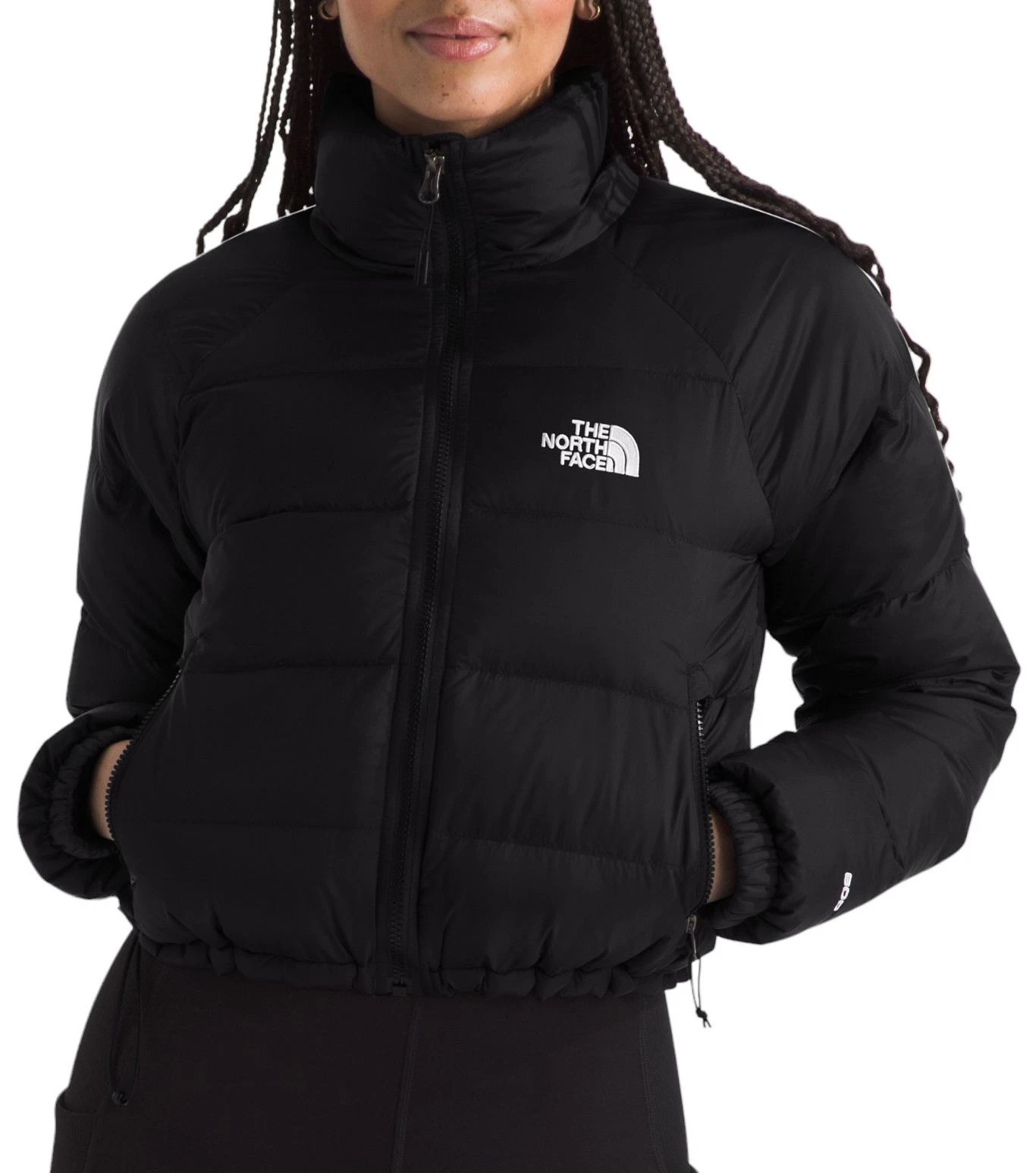
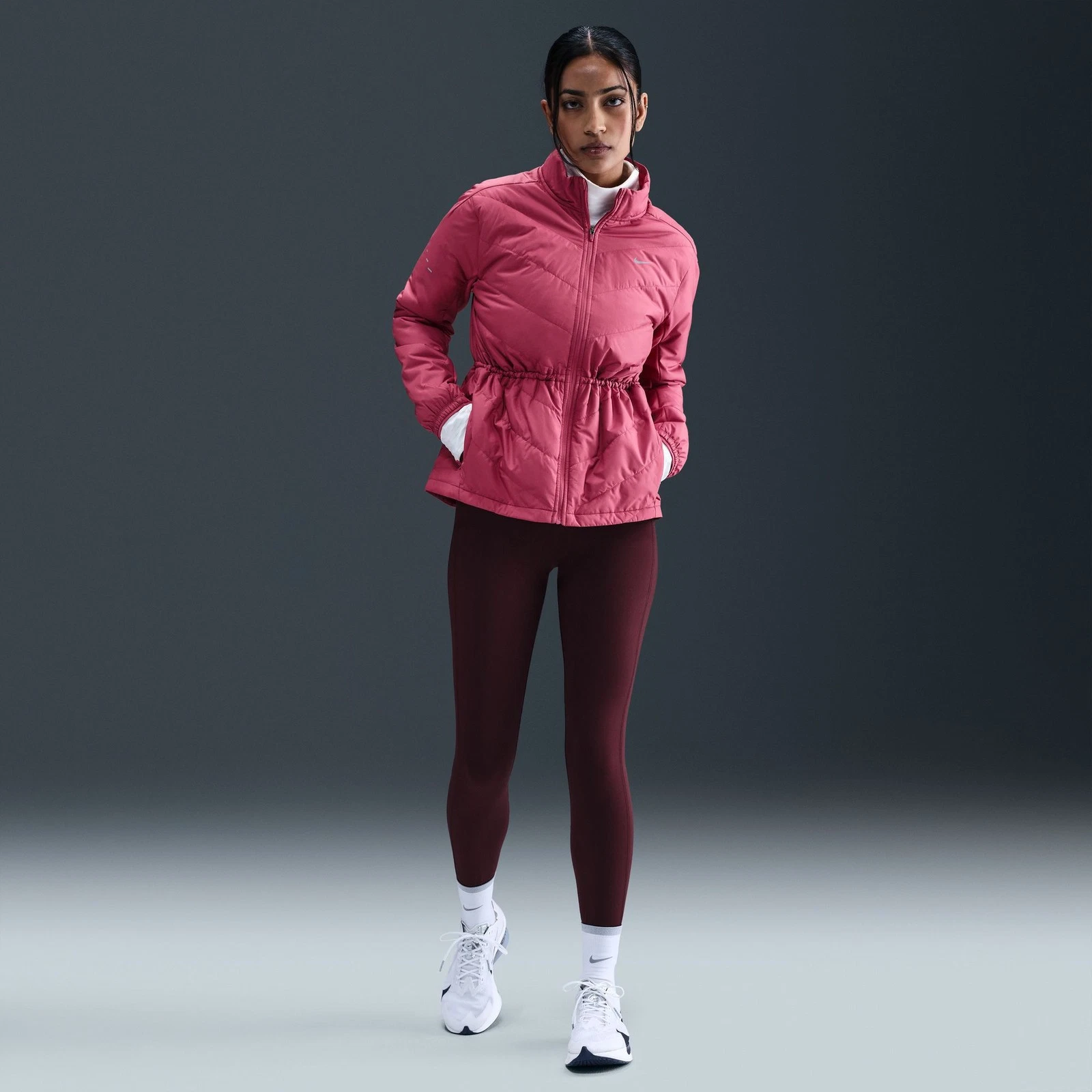
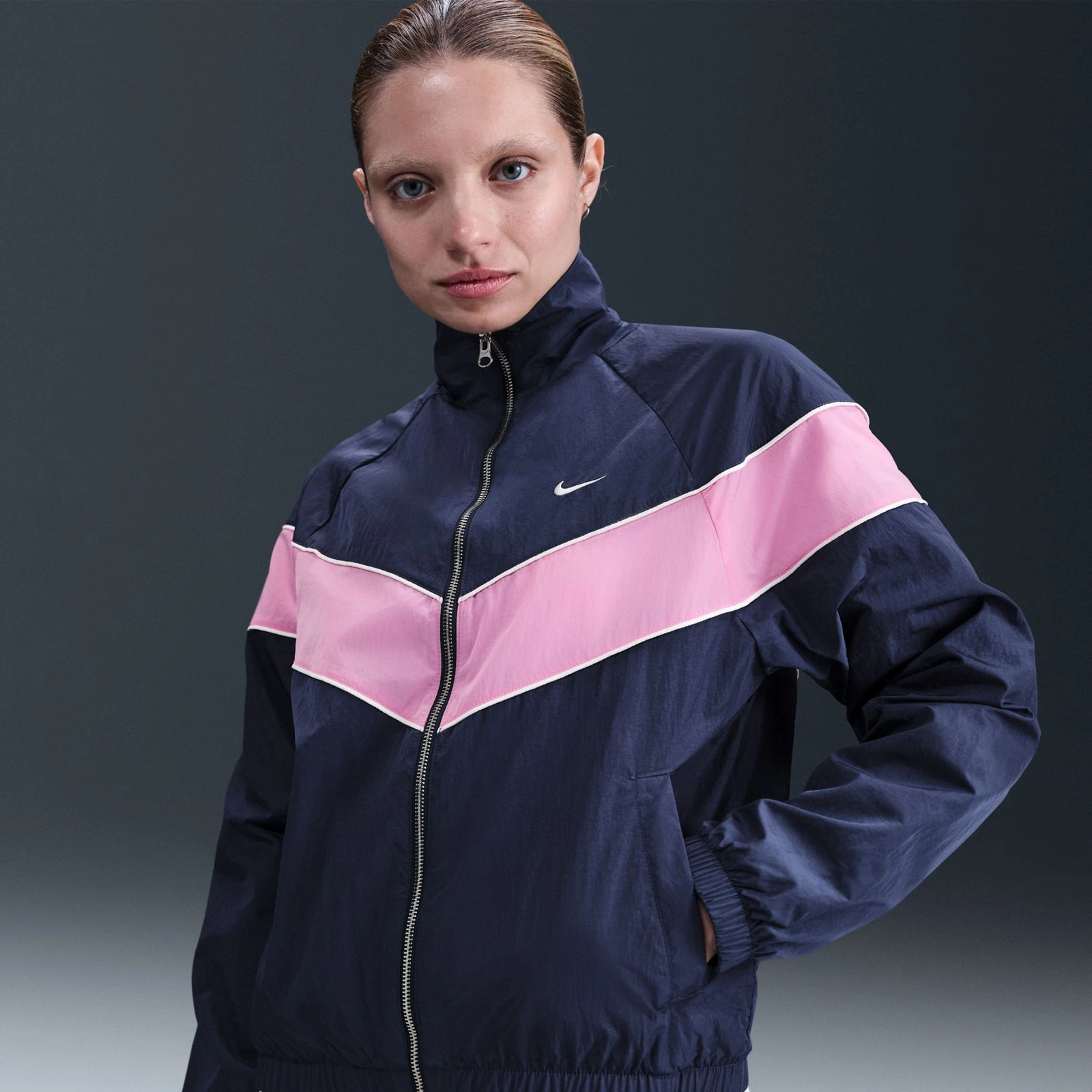
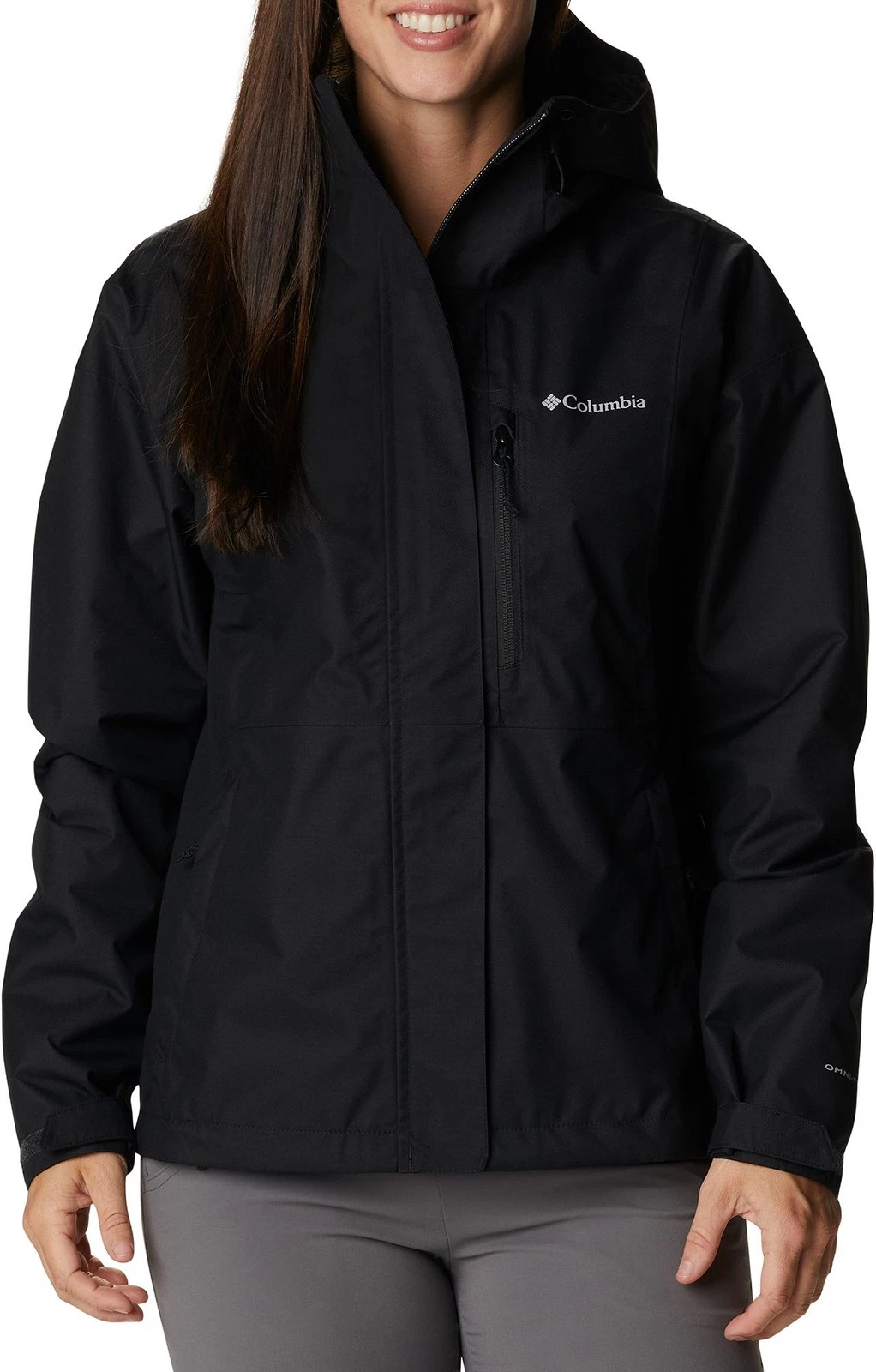
6. Winter Golf Jackets
Golf in winter can be challenging. Cold mornings, frost-covered greens, and unexpected rain can make your usual game uncomfortable — or even impossible. That’s where a good winter golf jacket comes in. A jacket designed specifically for golf keeps you warm, dry, and unrestricted so your swing doesn’t suffer in tough conditions.
Why Winter Golf Jackets Are Important
Regular jackets or coats aren’t made for the golf swing. They might keep you warm, but they can be stiff and heavy, restricting your movement. Winter golf jackets, on the other hand, combine warmth, water resistance, and flexibility. They protect you from wind and rain while letting you move naturally, so your game stays consistent even in colder weather.
Key Features to Look For
- Waterproofing: A quality winter golf jacket repels rain, frost, and damp grass, keeping your clothes and body dry.
- Insulation: Look for thermal or padded jackets that provide warmth without feeling bulky.
- Mobility: Stretch panels and ergonomic cuts ensure your jacket moves with your swing.
- Breathability: Jackets that let sweat escape prevent overheating during active play.
- Packability: Some jackets fold down small, making them easy to carry in your golf bag for sudden weather changes.
Tips for Choosing the Right Jacket
- Layer your clothing: Use a moisture-wicking base layer, then add your jacket.
- Consider adjustable features: Hoods, cuffs, and hems that you can tighten help block wind.
- Try it on with your golf gear: Make sure it works with your gloves, sweaters, and winter golf pants without feeling tight.
7. Cold-Weather Golf Balls
Golf doesn’t stop when the temperatures drop, but winter conditions can make the game tougher. Cold air, frost-covered fairways, and harder ground all affect how your golf ball performs. Using the right cold-weather golf balls can make a big difference in distance, control, and feel, keeping your game consistent through the colder months.
Why Cold Weather Affects Golf Balls
In cold temperatures, the core of a golf ball becomes less flexible, making it harder to compress when you hit it. This can reduce your distance and make shots feel firmer. Dense winter air adds extra drag, slowing the ball down even more. Winter rounds also put your balls through rougher conditions, so durability matters. Choosing the right ball helps you maintain both performance and feel.
What to Look For in Cold-Weather Golf Balls
- Low Compression: Golf balls with softer cores compress more easily in cold temperatures, helping you maintain distance.
- Durable Cover: Ionomer or Surlyn covers stand up better to harder ground and scuffs in winter conditions.
- Good Aerodynamics: Balls with designs that reduce drag help maintain flight even in dense, cold air.
- Visibility: Brightly colored balls like yellow or orange make it easier to track and find your shots on frosty mornings.
Top Cold-Weather Golf Balls
- Callaway Supersoft: Extremely soft and low compression, giving maximum distance and a forgiving feel.
- Wilson Duo Soft: Ultra-soft feel and easy distance, ideal for winter swings.
- Titleist TruFeel: Low compression with good control, a reliable all-around option.
- Bridgestone e12 Contact: Designed for energy transfer and straighter shots, even in cold conditions.
- Polara Ultimate Straight: Helps reduce slices and hooks, which can be useful when muscles feel stiff in winter.
Tips for Playing With Golf Balls in Cold Weather
- Keep balls warm before play — storing them in your jacket pocket helps maintain performance.
- Rotate balls during your round so each one stays warmer and performs better.
- Use bright-colored balls to make them easier to see in dull winter light.
- Don’t worry about using premium balls — cheaper, durable options can be just as effective in cold conditions.
Winter golf can be a challenge, not just for your game but for your comfort on the course. Cold, wet, and windy conditions make it harder to enjoy your round, especially when you’re riding in a golf cart. Investing in the right winter golf cart accessories can help keep you warm, dry, and focused on your game.
8. Golf Cart Accessories for Winter
Why Winter Golf Cart Accessories Matter
Even a short ride across a frosty fairway can leave you chilled. Winter golf cart accessories are designed to protect you from the elements. They help maintain body heat, keep gear dry, and make it easier to move around the course without slowing down. With the right setup, winter rounds can feel almost as comfortable as summer play.
Essential Winter Golf Cart Accessories
- Golf Cart Enclosures
- Full or half enclosures block wind, rain, and snow.
- Clear vinyl panels maintain visibility while keeping out the cold.
- Seat Covers and Cushions
- Insulated seat covers trap heat and prevent you from sitting on freezing seats.
- Some come with thermal padding or even electric warming options.
- Golf Cart Blankets
- Fleece or wool blankets are perfect for covering your legs and feet.
- Easy to store on the back of the cart and can be shared with a playing partner.
- Windshields
- Reduce the chill from wind while driving.
- Available in full, foldable, or removable styles to suit different carts and weather conditions.
- Heated Accessories
- Battery-operated or plug-in hand warmers and heated grips help keep your hands functional.
- Some carts even offer heated steering wheel options for maximum comfort.
- Storage and Gear Protection
- Waterproof bags or compartments protect your clubs and gear from rain or snow.
- Extra compartments for gloves, hats, and extra layers keep everything organized.
Tips for Using Winter Accessories
- Layer clothing under your cart accessories for maximum warmth.
- Check compatibility before buying, as not all enclosures or blankets fit every cart model.
- Maintain accessories by wiping down vinyl and fabric to prevent damage from moisture.


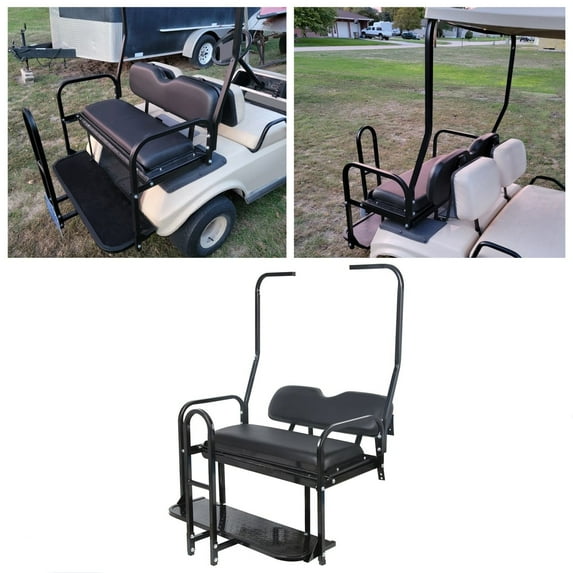 KOJEM Rear Flip-Fold Seat Kit for Club Car DS
Rear flip/fold seat kit with grab bar + roof support for 1982–2000 Club Car DS golf carts.
View on Walmart9. Rain Gear and Waterproof Protection
Golf is an all-weather sport, but rain can quickly turn a fun round into a frustrating experience. Wet clothes, slippery grips, and soaked equipment can affect your performance. That’s why having proper rain gear and waterproof protection is essential for every golfer.
Why Rain Gear Matters
Rain and moisture can compromise your swing and focus. Wet hands reduce grip, soaked shoes and clothing make you uncomfortable, and water-damaged equipment can shorten the life of your clubs. Golf-specific rain gear is designed to keep you dry, maintain your range of motion, and protect your gear, so you can focus on the game instead of the weather.
Essential Rain Gear for Golf
- Waterproof Jackets and Pants
- Jackets with waterproof and breathable fabric keep you dry while allowing movement.
- Pants protect your lower body from wet grass and puddles, often featuring adjustable cuffs or ventilation panels.
- Rain Gloves
- Specialized rain gloves improve grip even when wet.
- Some golfers use a combination of a regular glove on the top hand and a rain glove on the bottom hand for maximum control.
- Golf Umbrellas
- Oversized umbrellas offer coverage for both you and your bag.
- Windproof designs help prevent flipping in strong gusts.
- Waterproof Golf Bags and Covers
- Protects your clubs, balls, and accessories from getting wet.
- Some feature sealed zippers and built-in rain hoods for extra protection.
- Waterproof Shoes
- Keeps your feet dry and warm during wet rounds.
- Shoes with soft spikes or spikeless soles maintain traction on slippery terrain.
- Accessories and Extras
- Towel clips or microfiber towels for drying grips and clubfaces.
- Rain caps or visors to keep water off your face.
Tips for Using Rain Gear
Store wet gear in a separate compartment or waterproof bag to avoid soaking other items.
Layer clothing for warmth without restricting your swing.
Check waterproof ratings and seam sealing when choosing jackets or pants.
Keep a small towel in your bag to quickly dry hands or grips between shots.
10. Neck Gaiters and Face Protection
Cold winds and chilly mornings can make winter golf challenging. While jackets and gloves keep your body warm, your face and neck are often exposed to biting winds and frost. That’s where neck gaiters and face protection come in. These simple yet effective accessories help you stay comfortable and focused throughout your round.
Why Neck and Face Protection Matters
Exposed skin can quickly become cold, stiff, or even chapped in winter conditions. When your neck and face are uncomfortable, it’s harder to concentrate on your swing and enjoy your game. Neck gaiters, face masks, and similar accessories provide warmth, shield you from wind, and even protect against sunburn during bright winter days.
Types of Neck and Face Protection
- Neck Gaiters
- Tubular fabric worn around the neck, which can be pulled up to cover the mouth and nose.
- Made from materials like fleece, merino wool, or moisture-wicking polyester.
- Lightweight and easy to carry, gaiters can be adjusted for warmth and comfort.
- Face Masks
- Some golfers use soft, breathable masks to cover the nose and mouth completely.
- Protects against wind, cold, and dust on the course.
- Balaclavas
- Full-head coverage for extremely cold or windy conditions.
- Covers the neck, face, and sometimes the top of the head, leaving only eyes exposed.
- Sun Protection Variants
- Some gaiters include UV protection for sunny winter days.
- Useful for shielding against both cold and sun damage during long rounds.
Benefits of Using Neck and Face Protection
- Warmth: Keeps your skin comfortable and prevents frostbite or chapping.
- Flexibility: Easy to adjust depending on temperature and wind.
- Hygiene: Helps reduce inhalation of dust or pollen during early-season play.
- Layering: Can be worn under hats, helmets, or hoods without affecting mobility.
Tips for Choosing Neck Gaiters and Face Protection
Wash regularly to prevent buildup of sweat and bacteria.
Look for breathable and moisture-wicking fabrics to stay dry while playing.
Choose stretchable materials for comfort and ease of movement.
Consider multi-functional designs that can serve as a neck warmer, face mask, or headband.
11. Winter Golf Towels
Winter Golf Towels: Keep Your Gear Dry and Your Game Smooth
Winter golf presents unique challenges. Frost, rain, and wet conditions make it easy for clubs, balls, and grips to get damp, affecting your performance. A reliable winter golf towel is an essential accessory to help keep your equipment dry and your game consistent during cold, wet rounds.
Why Winter Golf Towels Are Important
Even a small amount of moisture on your clubs or balls can change how they perform. Wet grips reduce control, and a slippery clubface can affect distance and accuracy. Winter golf towels are designed to absorb moisture quickly, resist freezing, and stay soft even in cold temperatures, ensuring your equipment performs at its best.
Key Features of Winter Golf Towels
- High Absorbency
- Look for towels made of microfiber or terry cloth, which absorb water quickly.
- A good winter towel can dry multiple clubs and balls without needing to be wrung out repeatedly.
- Cold-Weather Durability
- Some towels are treated to resist freezing and stiffening in subzero temperatures.
- Durable fabrics withstand frequent use without fraying or losing absorbency.
- Convenient Size and Attachment
- Towels should be large enough to cover your clubs or wipe down your hands.
- Many come with clips or carabiners to attach easily to your golf bag for quick access.
- Easy Maintenance
- Look for machine-washable towels that dry quickly.
- Some have antimicrobial treatments to prevent odors and bacteria buildup.
Tips for Using Winter Golf Towels
- Keep a towel handy for wiping grips, balls, and clubfaces during play.
- Rotate between towels if you have multiple to avoid using a wet towel repeatedly.
- Use bright-colored towels for visibility in dull winter light.
- Regularly wash and dry towels to maintain their absorbency and softness.
Recommended Options
Popular choices for winter golf towels include microfiber options from brands like Callaway, Titleist, and FootJoy. These towels are soft, absorbent, and designed for year-round use, making them a reliable addition to any golfer’s bag.
12. Heated Golf Vest
Winter golf can be a challenge. Cold winds, frosty mornings, and low temperatures can make it difficult to stay comfortable and focused during your round. A heated golf vest is a game-changing accessory for cold-weather golfers. It keeps your core warm without restricting your swing, so you can perform at your best even in freezing conditions.
Why a Heated Golf Vest Helps
When your body’s core is cold, your muscles tighten, which can affect your swing, distance, and accuracy. Heated vests provide consistent warmth across your chest and back, keeping your body temperature steady. Unlike bulky jackets, a vest allows your arms full freedom of movement, which is essential for a smooth, unrestricted golf swing.
Features to Look For
- Heating Zones
Look for vests with multiple heating zones across the back, chest, and collar. Adjustable heat settings let you control warmth depending on conditions. - Battery Life
A good heated vest should last through an entire round. Rechargeable batteries are common, and many vests offer hours of continuous heat on a single charge. - Material & Comfort
Softshell or fleece materials are ideal. They provide warmth, flexibility, and some water resistance. Lightweight insulation ensures you stay warm without feeling bulky. - Ease of Care
Make sure the battery can be removed for washing, and look for vests that are easy to machine wash or hand wash.
Tips for Using a Heated Golf Vest
- Wear a base layer under your vest for extra insulation.
- Keep your battery fully charged before your round.
- Adjust heat settings gradually — you want steady warmth, not overheating.
- Combine with gloves, a hat, or a neck gaiter for maximum winter comfort.
Recommended Options
Some popular heated golf vests include:
- Ororo Heated Golf Vest: Lightweight, flexible, with multiple heating zones and adjustable temperature.
- Venustas Heated Softshell Vest: Eco-friendly, water-repellent, and comfortable for long winter rounds.
- ActionHeat Heated Vest Liner: Simple, affordable, and great for layering under a jacket.
13. Club Brush and Cleaning Tools
A great golf swing is important, but even the best swing can be affected by dirty clubs. Dirt, grass, and mud stuck in grooves reduce spin, affect accuracy, and can even damage your clubs over time. That’s why every golfer should invest in quality club brushes and cleaning tools — they make maintenance simple and help your equipment perform its best.
Why Cleaning Tools Matter
Wet or muddy conditions, especially in winter or after rain, can leave your clubs covered in grime. If not cleaned regularly, this buildup can reduce friction between your clubface and the ball, decreasing control and spin. Regularly cleaning your clubs also extends their lifespan and keeps them looking like new.
Essential Cleaning Tools
- Soft-Bristle Brush
A brush with soft nylon or brass bristles helps remove dirt from the clubface without scratching the finish. Avoid harsh wire brushes on delicate clubs. - Groove Cleaner
Dirt often gets stuck in the grooves of irons and wedges. A groove cleaner, which is like a small pick or tool, clears debris so your clubs maintain maximum spin. - Bucket or Water Source
Warm, soapy water is ideal for soaking clubheads. Always avoid submerging the entire club, as water can damage the shaft or ferrule. - Towel or Microfiber Cloth
After cleaning, dry your clubs thoroughly. A soft cloth prevents water spots and rust, especially on steel shafts. - All-in-One Cleaning Kits
Some kits include brushes, groove cleaners, and even a small water reservoir for cleaning mid-round. These are convenient for both home and on-course use.
Tips for Keeping Clubs Clean
- Clean your clubs after every round or after playing in wet or muddy conditions.
- Use the groove cleaner before wiping the clubface to maintain spin.
- Rotate between brushes if you have multiple — softer for delicate finishes, stronger for hardened mud.
- Store your clubs dry to prevent rust and prolong their life.
Popular Cleaning Tools
Some reliable tools include the Frogger BrushPro, Maxfli Dual Wire Brush, and all-in-one kits like Caddy Splash Club Care Kit. These are durable, easy to use, and designed for golfers of all levels.
14. Golf Grip Enhancers
A proper grip is one of the most important factors in a consistent golf swing. Even small adjustments in how you hold your club can make a huge difference in accuracy and distance. Golf grip enhancers are tools and accessories designed to help you maintain a secure, comfortable grip, especially in challenging conditions like rain, humidity, or winter cold.
Why Use Golf Grip Enhancers?
A slippery or inconsistent grip can cause mis-hits, reduced control, and even injury. Sweat, rain, or cold weather can make grips slick, making it harder to hold the club properly throughout your swing. Grip enhancers help you maintain traction, improve comfort, and reduce hand fatigue, so you can focus on your technique instead of worrying about slipping.
Types of Golf Grip Enhancers
- Grip Sprays and Tackifiers
- Liquid sprays applied to the club grip to improve traction.
- Often quick-drying and safe for most rubber and synthetic grips.
- Overgrips and Grip Wraps
- Thin sleeves or wraps applied over your existing grip for extra tackiness.
- Can also provide cushioning for hands, reducing vibration and fatigue.
- Rubber or Tacky Gloves
- Golf gloves with extra tack or textured palms enhance grip in wet or cold conditions.
- Some gloves are designed specifically for winter or rainy conditions.
- Grip Training Tools
- Devices like grip trainers or weighted handles help golfers strengthen hand muscles and practice proper grip technique.
- They improve consistency and control, even without added tackiness.
Benefits of Using Grip Enhancers
- Improved Control: Reduced slipping ensures cleaner contact with the ball.
- Consistency: Helps maintain the same grip pressure throughout your swing.
- Comfort: Reduces strain and fatigue in your hands and forearms.
- Performance in All Conditions: Rain, sweat, or cold weather won’t affect your grip as much.
Tips for Using Grip Enhancers
- Always check that sprays or wraps are compatible with your club’s original grip.
- Don’t over-tighten overgrips; a comfortable feel is just as important as tackiness.
- Replace worn gloves regularly — even the best glove loses grip over time.
- Use grip trainers for a few minutes each day to build hand strength and muscle memory.
Best Winter Golf Accessories Based on Playing Conditions
Winter weather varies, so choose accessories based on what you normally face.
For Very Cold Conditions
- Thermal gloves
- Heated vest
- Winter golf beanie
- Neck gaiter
- Rechargeable hand warmers
- Low-compression golf balls
- Thermal base layers
For Wet and Rainy Conditions
- Waterproof jacket and trousers
- Rain gloves
- Waterproof shoes
- Club rain hood
- Quick-dry towel
- Waterproof golf bag
For Windy Conditions
- Windproof jacket
- Ear warmers
- Thermal hat
- Face protection
- Ball markers that resist blowing away
For Frosty or Icy Mornings
- Spiked shoes
- Grip enhancers
- Winter gloves
- Club cleaning kit
- High-visibility golf balls
How to Prepare Your Golf Bag for Winter
Here’s a practical checklist:
1. Replace your summer towel with a winter towel
Better absorbency means cleaner clubs.
2. Add hand warmers and winter gloves
Rotate them between shots.
3. Switch to winter golf balls
Softer balls restore distance.
4. Bring waterproof gear
Conditions can change quickly.
5. Carry a club brush
Winter mud affects spin and contact.
6. Pack extra socks
Cold feet ruin focus fast.
7. Keep a thermal flask
Warm drinks help maintain body temperature.
Winter Golf Swing Tips to Match Your Accessories
Your gear helps, but your approach matters too.
1. Take more club
Cold air reduces distance, so club up.
2. Slow your tempo
Stiff muscles need smoother motion.
3. Warm up longer
Stretch and hit more practice shots.
4. Shorten your backswing slightly
Better control in layers of clothing.
5. Focus on clean contact
Winter lies are less forgiving.
With the right winter golf accessories, the swing adjustments become easier to execute.
How to Store and Maintain Your Gear in Winter
Winter accessories need simple care:
- Air-dry gloves after use
- Store base layers in a cool, dry place
- Recharge heated gear before each round
- Clean shoes and dry them thoroughly
- Dry towels between rounds
- Keep golf balls at room temperature
This helps your gear last longer and perform better.
Final Thoughts
Playing golf in winter can be enjoyable if you prepare the right way. The right winter golf accessories protect your hands, improve traction, maintain comfort, and help your equipment perform in cold, wet, and windy conditions.
You don’t need to stop your game for months. Instead, adjust your gear and approach so you can enjoy the quieter fairways and build consistency through the off-season.
If you want, I can also create:
- A short SEO meta description
- Title ideas
- A keyword list for targeted ranking
- Internal linking suggestions
- A version optimized for WooCommerce or product pages